Bangkok’s Luxury Property Market: Is It a Bubble in 2026?
Bangkok’s Luxury Property Market: Is It a Bubble in 2026?
As we close the first four months of 2026, a recurring question echoes through the boardrooms of Sukhumvit and the penthouses of the Riverside: "Are we in a luxury property bubble?" With prices in the "Super-Prime" segment hitting record highs and new branded residences launching at over 500,000 THB per square meter, the concern is understandable. However, a deeper look at the 2026 economic data reveals a complex "Bifurcated Market" that defies simple labels. This analysis breaks down the risks and the resilience of Bangkok's elite real estate.

Image: 2026 market data suggests a "Flight to Quality" rather than a classic speculative bubble.
The Current State: A Market of Two Tales
In 2026, the Thai property market is split. While the mass market (under 5 million THB) struggles with high mortgage rejection rates and household debt, the Luxury (10M-50M THB) and Super-Prime (100M+ THB) segments remain remarkably stable.
Why this isn't a 1997-style bubble: Unlike the Tom Yum Kung crisis, the current luxury market is driven largely by "Real Demand" and high-equity buyers (cash buyers) rather than speculative bank debt.
CPC Insight: Keywords like "Bangkok Real Estate Analysis", "Luxury Investment 2026", and "Wealth Management Thailand" attract premium financial service ads.
3 Factors Sustaining Luxury Prices in 2026
1. Scarcity of Prime Freehold Land
Freehold land in core CBD areas like Ploenchit, Thong Lo, and Saladaeng is effectively exhausted. Developers are paying record prices for the few remaining plots, which sets a high "floor price" for any new development. You aren't just buying a condo; you are buying a piece of a limited asset.
2. The "Safe Haven" Effect
Compared to other regional hubs like Singapore or Hong Kong, Bangkok still offers incredible value. In 2026, wealthy investors from neighboring ASEAN countries, as well as Europe and China, view Bangkok as a "Lifestyle Safe Haven"—a place where their capital is protected by a tangible, high-quality asset in a city with world-class amenities.
3. The Rise of Branded Residences
The 2025-2026 period has seen a surge in partnerships with global luxury hotel brands (Aman, Four Seasons, Ritz-Carlton). These branded residences attract "Ultra-High-Net-Worth Individuals" (UHNWI) who are less sensitive to interest rate fluctuations, ensuring that the top 1% of the market stays liquid.
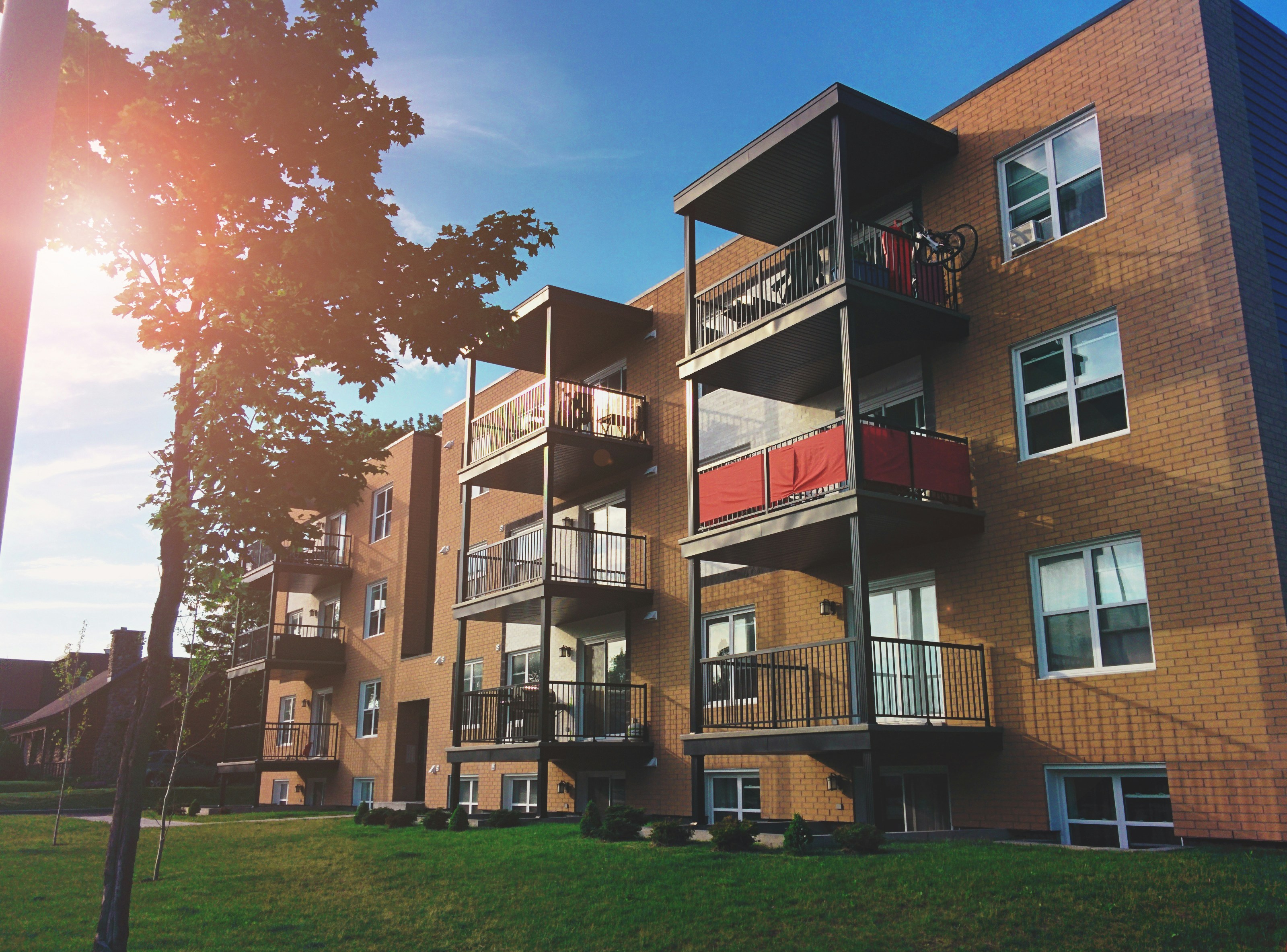
Image: Branded residences provide a layer of brand-equity that protects resale value.
Where is the Real Risk?
While the "Super-Prime" segment is safe, investors should be cautious in the "Mid-Luxury" (10-15 million THB) range in secondary locations. These areas have seen significant supply in 2025, and rental yields are beginning to compress.
- Inventory Levels: Keep an eye on the "Absorption Rate." If units in a specific neighborhood take more than 12 months to sell, it’s a sign of a localized oversupply.
- Rental Yield Compression: In 2026, if a luxury unit yields less than 3%, the capital appreciation must be significant to justify the hold.
2026 Luxury Market Indicators
| Indicator | Status in 2026 | Investment Sentiment |
|---|---|---|
| Foreign Ownership Quota | High in CBD | Strong International Demand |
| Interest Rates | Stabilizing | Neutral for Luxury segment |
| Resale Price Growth | +3.5% to +5% YoY | Steady Capital Appreciation |
| New Supply (Luxury) | Regulated/Selective | Low Risk of Oversupply |
Investment Strategy: The "Bunker" Approach
For investors in 2026, the winning strategy is the "Bunker" approach:
- Buy Location, Not Just Luxury: A luxury unit in a mediocre location will fail. A "Standard" unit in a "Triple-A" location (e.g., Sukhumvit 24) will always win.
- Secondary Market Opportunities: Look for 5-10 year old "Legacy" buildings. They often have larger layouts and are priced significantly lower than new launches, offering a better Price-to-Value ratio.

Image: Expert consultation remains essential for navigating the 2026 real estate landscape.
Conclusion: Resilience over Bubble
Is there a bubble? For the mass market, there are certainly cracks. But for the Bangkok Luxury Segment in 2026, the data points toward resilience rather than a bubble. High barriers to entry, limited land, and a shift toward "Lifestyle Investing" mean that prime assets are likely to hold their value. As an investor, the key is to be "Surgery-Specific"—choosing projects that offer unique value propositions that cannot be easily replicated.
Want a detailed data report on specific Bangkok districts? Download our 2026 Luxury Property Whitepaper or subscribe to our Quarterly Investor Briefing for exclusive off-market insights.


Comments
Post a Comment