Hidden Costs of Owning a Condo in Thailand: What Every Expat Must Know in 2026
Hidden Costs of Owning a Condo in Thailand: What Every Expat Must Know in 2026
The sticker price of a luxury condo in Sukhumvit or a beachfront unit in Phuket is only part of the story. For expats aged 25-60 looking to invest or reside in Thailand, understanding the "total cost of ownership" is vital for long-term financial health. Beyond the initial purchase price, there are several recurring and one-time fees that can surprise the unprepared owner. In this 2026 guide, we break down the hidden expenses of Thai condo ownership.
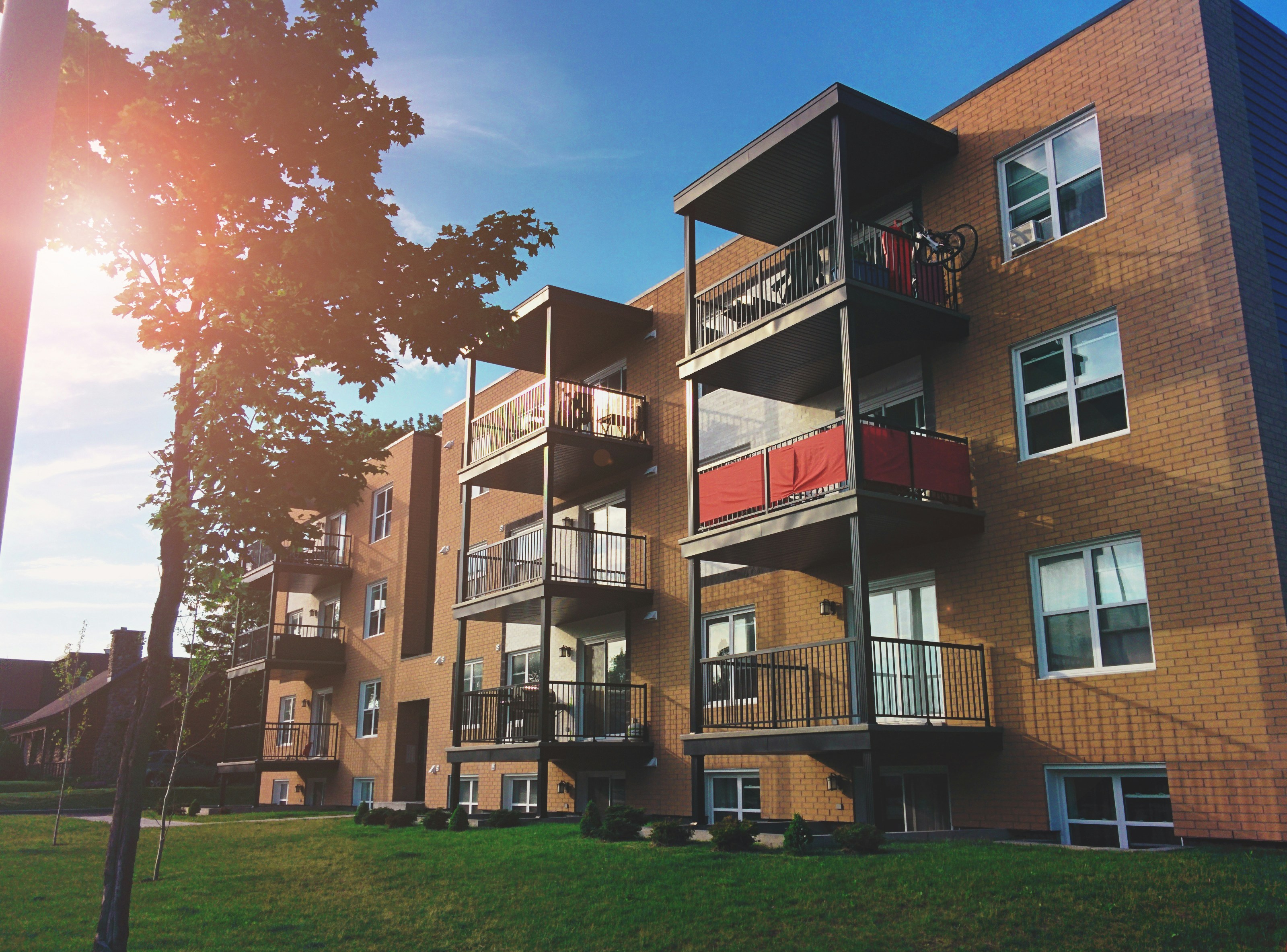
Image: Maintaining world-class facilities requires consistent funding from all co-owners.
1. Common Area Maintenance (CAM) Fees
Often referred to as "Common Fees," these are the most significant recurring costs. They cover the operation of elevators, 24-hour security, gym upkeep, swimming pool chemicals, and the salaries of the juristic office staff.
In 2026, the average CAM fees in Bangkok range from:
- Budget Condos: 35 – 45 THB per sqm / month.
- Mid-Range: 50 – 75 THB per sqm / month.
- Luxury/Branded Residences: 80 – 120+ THB per sqm / month.
2. The Sinking Fund: Your Long-term Safety Net
The Sinking Fund is a reserve fund for major, non-recurring expenses like repainting the entire building, replacing elevator systems, or structural repairs.
If you are buying a brand-new condo from a developer, you pay this as a one-time lump sum at the time of transfer. In 2026, rates typically vary between 500 to 800 THB per sqm.
Investor Tip: If you buy a secondary market unit (resale), you usually don't pay the initial sinking fund, but be aware that the Juristic Person may vote for a "top-up" if the fund runs low after 10-15 years.

Image: Regular AC maintenance is a non-negotiable expense in Thailand's tropical climate.
3. Utility Surcharges: Water and Electricity
While electricity is billed directly by the MEA (Metropolitan Electricity Authority) at government rates in most condos, some older buildings or serviced apartments may add a surcharge.
- Electricity: Expect to pay 2,500 – 4,500 THB/month if you run the AC daily (highly recommended for Affiliate opportunities: Smart Thermostats and Energy-efficient appliances).
- Water: Usually billed by the Juristic office at a higher rate than government direct (approx. 18-25 THB per unit). Usually costs only 200-400 THB per month.
4. Land and Building Tax (Updated 2026)
Thailand’s property tax system has become more structured. For foreigners, the tax rate depends on whether the property is your primary residence (your name is in the Yellow House Book/Tabien Baan) or a second home/investment.
For investment properties or second homes valued up to 50 Million THB, the rate starts at approximately 0.02% of the appraised value. While relatively low compared to Western countries, it is an annual cost that must be settled by April each year.
5. Condo Insurance: Don't Rely on the Building's Policy
Many expats mistakenly believe the building's master insurance policy covers their unit. It does NOT. The building policy covers the structure and common areas.
You need Condo Interior Insurance to cover your furniture, renovations, and most importantly, Third-Party Liability (e.g., if your water pipe bursts and damages the unit below). This is a prime area for high CPC AdSense ads and insurance affiliate links.
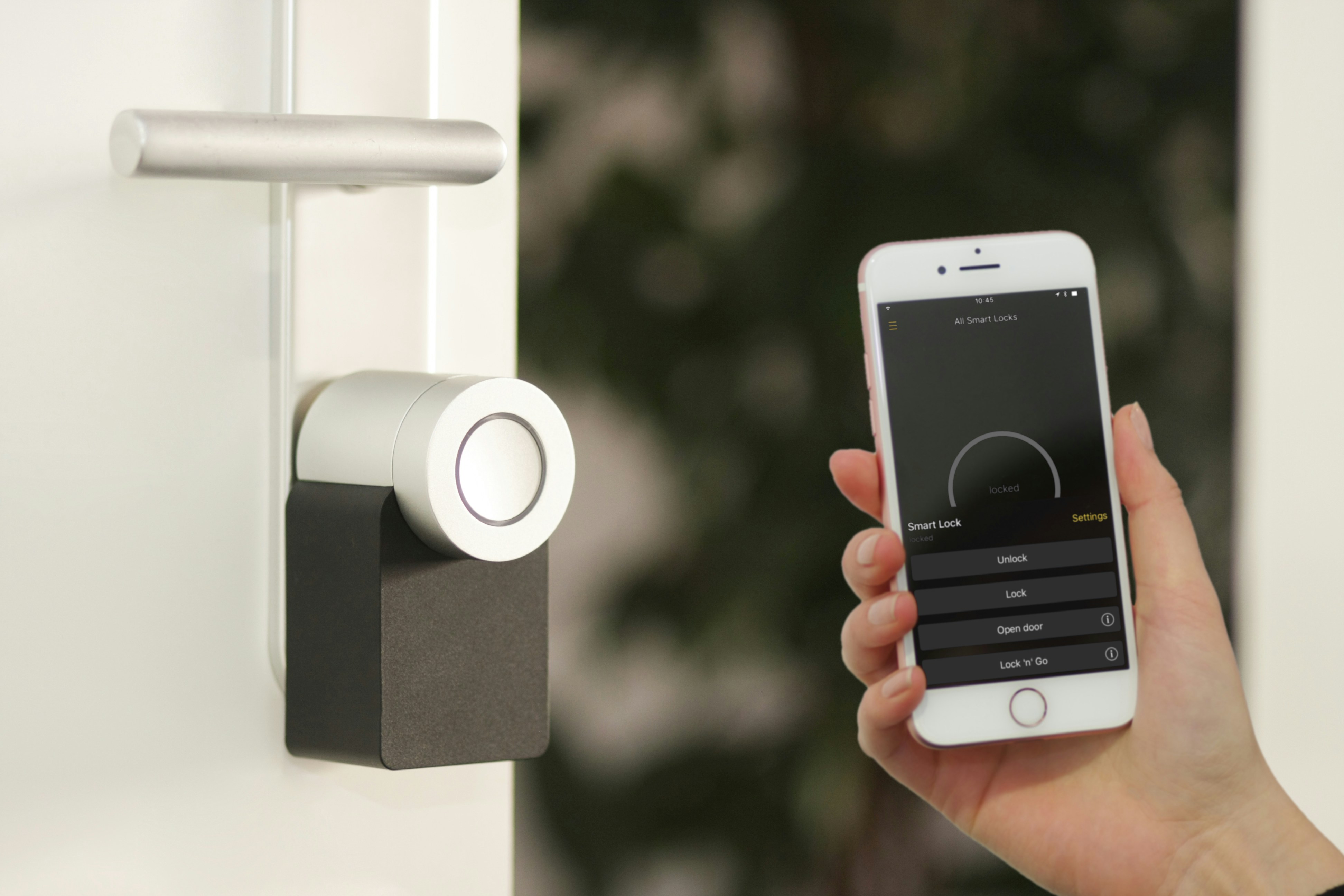
Image: Investing in smart home security can reduce long-term risks for absentee owners.
6. Maintenance "Hidden" Costs
- AC Cleaning: Recommended every 4-6 months (approx. 600-1,000 THB per unit).
- Pest Control: While the building does common areas, you may want monthly "gel" treatments inside your unit (approx. 5,000-8,000 THB per year).
- Internet: High-speed fiber (500/500 Mbps) typically costs 600-800 THB per month.
Conclusion: Budgeting for Peace of Mind
Owning a condo in Thailand is a rewarding experience, but successful ownership requires a realistic budget. When calculating your ROI or monthly living costs, always factor in an additional 10-15% on top of your mortgage or expected rent to cover these hidden gems. By doing so, you ensure that your Thai residence remains a source of joy rather than a financial burden.
Confused about your specific building's fees? Our team can help review your Sale and Purchase Agreement (SPA). Subscribe to our newsletter for more 2026 market insights!


Comments
Post a Comment